
CCNFSDU45: IBFAN calls for safeguards in draft standard on foods for older infants and young children
CCNFSDU45 – At the 45th Codex Committee on Nutrition and Foods for Special Dietary Uses in Nuremberg, the Committee will consider a proposed standard for foods for older infants and young children. IBFAN’s published comments call for continued breastfeeding, healthy family foods and protection from inappropriate commercial promotion.
2-6 November 2026 – Nuremberg, Germany.
Codex Meetings: News and Updates
CCFICS28 (Click here)
Codex Committee on Food Import and Export Inspection and Certification Systems
12-17 October 2026
Perth, Australia
CCCF19 (Click here)
Codex Committee on Contaminants in Foods
19-23 October 2026
Cairo, Egypt
CCNFSDU45
Codex Committee on Nutrition and Foods for Special Dietary Uses
2-6 November 2026
Nuremberg, Germany
CCFH56 (Click here)
Codex Committee on Food Hygiene
16-20 November 2026
Scottsdale, Arizona, USA

 BVL / Czybik & Schmid Media / Thomas Geiger
CCNFSDU45
Codex Committee on Nutrition and Foods for Special Dietary Uses
The 45th Session of the Codex Committee on Nutrition and Foods for Special Dietary Uses (CCNFSDU45) is being held in Nuremberg, Germany, from 2 to 6 November 2026.
A Physical Working Group on the draft standard for foods for older infants and young children is scheduled for 1 November, from 10:00 to 13:00 CET. A second Physical Working Group, on proposals for new work and emerging issues, is scheduled for 14:30 to 18:00 CET.
Plenary sessions will take place from 2 to 4 November. Adoption of the report is scheduled for 6 November.
Commercial products must not replace healthy family foods
IBFAN challenges the premise that there is a widespread need for commercial products specifically designed for older infants and young children as a main source of complementary food.
Confidence in biodiverse, minimally processed and healthier home-prepared family foods can be undermined when commercial products – many of which are ultra-processed, sweetened or nutritionally inferior – are promoted as necessary or uniquely beneficial for child health and development.
Commercial complementary foods should, at most, be considered optional convenience foods for limited situations. They must not replace breastfeeding or nutritious, culturally appropriate and locally available family foods.
The new standard must be consistent with the International Code of Marketing of Breast-milk Substitutes, subsequent relevant World Health Assembly resolutions and the WHO Guideline for complementary feeding of infants and young children 6-23 months of age.
WHO recommends that:
- breastfeeding should continue for up to two years or beyond;
- complementary foods should not be introduced before six months of age;
- infants and young children should consume a diverse diet;
- foods high in sugar, salt and trans fats should not be consumed; and
- children should be responsively fed in ways that encourage autonomy, self-regulation and healthy cognitive, emotional and social development.
Key safeguards requested by IBFAN
- strong safeguards for continued breastfeeding to two years and beyond;
- a clear statement that commercial foods for older infants and young children must not replace healthy family foods;
- full alignment with the International Code and relevant World Health Assembly resolutions;
- no labelling or marketing that suggests complementary foods should be introduced before six months;
- strict controls on added sugars, sugar-contributing ingredients, sweeteners, salt, trans fats and artificial flavourings;
- protection against misleading health, nutrition and idealising claims;
- clear labelling and marketing controls distinguishing ordinary commercial foods from Foods for Special Medical Purposes and Ready-to-Use Therapeutic Foods;
- safeguards against unnecessary or inadequately tested optional ingredients;
- effective controls on chemical and microbial contaminants, pesticides, herbicides, heavy metals and harmful processing practices;
- packaging requirements that protect children’s health and the environment; and
- measures to prevent commercial products from undermining responsive feeding, chewing, oral development and children’s ability to recognise hunger and fullness.
IBFAN is particularly concerned about the growing promotion of puréed foods in pouches. These products may encourage children to suck food while reclining instead of sitting, chewing and learning to eat foods with a variety of textures, colours, aromas and tastes.
The complementary feeding period is a critical learning stage during which children develop food preferences and eating patterns that may continue throughout life.
Specific proposals in IBFAN’s Step 4 comments
IBFAN’s written comments propose amendments to the scope, description and structure of the draft standard. They propose stating that foods manufactured according to the standard are not necessary and that they are optional “convenience” foods for limited situations. IBFAN states that these products should not be categorised as products to address specific nutrient gaps, and should not replace family foods or continued breastfeeding.
IBFAN supports a two-part structure for the standard: Part A for foods for older infants and young children, and Part B for cereal-based foods. It recommends that product composition include all food groups recommended by WHO: animal-source protein, fruits and vegetables, pulses, nuts and seeds, and limited starchy staples.
IBFAN states that added sugars, sugar-contributing ingredients and sweeteners should not be permitted in complementary foods for infants and young children. Artificial flavourings and “optional ingredients” should not be permitted. IBFAN also proposes a provision for safe packaging that disallows pouch products. The comments state that these products harm oral development, increase dental caries, obesity and the intake of microplastic contaminants, and discourage self-regulated feeding.
CCNFSDU45: discussions and report
The main topics during the week included nutrient reference values for children aged 6–36 months, the draft standard for foods for older infants and young children, and a proposal to review and revise the Guideline for Vitamin and Mineral Food Supplements (CXG 55-2005).
Agenda Item 5, on the draft standard, was chaired by the United States, with the European Union, Kenya and Panama as co-chairs. Saudi Arabia took over the chair of this item.
IBFAN, ICLA, ENCA UNICEF, WHO, the EU, Brazil, Norway and many developing countries consistently highlighted the need for safeguardsThere was near unanimous support for a strong Preamble and General Principles that should include many of the safeguards that we were calling for: clear statements about continued breastfeeding; that the products are not necessary and should not replace real foods, no added sweeteners and sugars and clear mention of the Code and Resolutions. However, nothing is settled and the discussions will continue for many years.
General Principle 1: FFOIYC [should] [could] [shall] [only] be fed in addition to continued breastfeeding or use of formulas, and [could] be a complement to family foods [as part of a diversified diet].
General Principle 2: Primary ingredient(s) of FFOIYC shall be from food groups.
General Principle 3: FFOIYC should be [safe], nutrient dense, contribute nutrients needed to support growth and development [and prevent micronutrient deficiency and wasting].
General Principle 4: Partially hydrogenated vegetable oils, non-nutritive sweeteners, artificial colors and artificial flavors shall not be used as ingredients.
General Principle 5: Amounts of sodium and free/[added] sugars [should] [shall] be limited. [Added sugars are prohibited from FFOIYC.]
General Principle 6: NRVs-R [should] [may] be referenced to derive the nutrient composition.
General Principle 7: FFOIYC should be placed into defined [product] categories [with] specific essential composition [guided by food groups].
General Principle 8: [FFOIYC should support the development healthy eating habits and formulated where appropriate responsive feeding and chewing skills.]
General Principle 9: [FFOIYC should be developed in consideration of relevant World Health Organization (WHO) guidelines and policies and World Health Assembly (WHA) resolutions and be consistent with national/regional health and nutrition policies.]
IBFAN made several corrections to the Draft Report, including calling for its statements on conflicts of interest to be included. The report states: “An Observer noted the importance of screening for conflicts of interest to ensure that the evidence base was free from commercial influence.”
Different views were expressed on whether to refer to the use of formulas. Some Members supported retaining the reference; others considered that the wording should not imply that formula was required when these foods were consumed and proposed a broader reference to continued breastfeeding and other age-appropriate feeding practices.
This discussion took place in the context of positions defended by the Early Nutrition e-Academy (ENEA) and the European Society for Paediatric Gastroenterology, Hepatology and Nutrition (ESPGHAN), represented by Professor Berthold Koletzko. They defended the baby food industry position, represented by ISDI, that commercial formulas are the only suitable alternative to breastfeeding after six months, challenging the WHO’s 2023 complementary feeding guideline.
The WHO guideline states that, for infants aged 6–11 months who receive milk other than breast milk, either infant formula or animal milk can be given. For children aged 12–23 months receiving milk other than breast milk, it recommends animal milk and does not recommend follow-up formula.
In 2021, WHO, UNICEF, IBFAN, many Member States and the European Union, representing 27 countries, argued for prohibiting fruit extracts and vanilla flavourings in formulas marketed for children aged 12–36 months. Professor Koletzko argued that a prohibition would disadvantage those formulas compared with products that did not meet Codex standards. Consensus was not reached, and the prohibition was not adopted. A compromise allowed national or regional authorities to restrict or prohibit the listed flavourings. IBFAN also argued that idealised images of fresh fruit act as health claims and idealise these unnecessary ultra-processed products.
Protecting health from commercial influence
The development of the new standard must be transparent and protected from commercial influence.
Standards intended to protect infants and young children should be based on independent evidence and public health recommendations, not on the commercial objective of expanding global markets for packaged and ultra-processed foods.
IBFAN also opposes the use of the term “weaning period”. The term may incorrectly suggest that breastfeeding should stop when complementary foods are introduced. Complementary feeding should take place alongside continued breastfeeding.
The proposed standard must protect parents and caregivers from marketing that presents commercial products as necessary, healthier or superior to affordable and culturally appropriate family foods.
IBFAN calls for action
IBFAN encourages its members and public health advocates to contact their national CCNFSDU delegations and Ministers of Health.
Governments should support provisions that:
- protect exclusive and continued breastfeeding;
- promote healthy, biodiverse and culturally appropriate family foods;
- prohibit inappropriate marketing of commercial foods for infants and young children; and
- ensure that Codex standards fully reflect WHO recommendations and public health priorities.
Watch the interventions by IBFAN at CCNFSDU45
This playlist brings together seven interventions delivered by Elisabeth Sterken during CCNFSDU45.
Topics covered in the playlist
1. Proposed work on food supplements
2. Preamble to the draft standard
3. Responsive feeding and pouch products
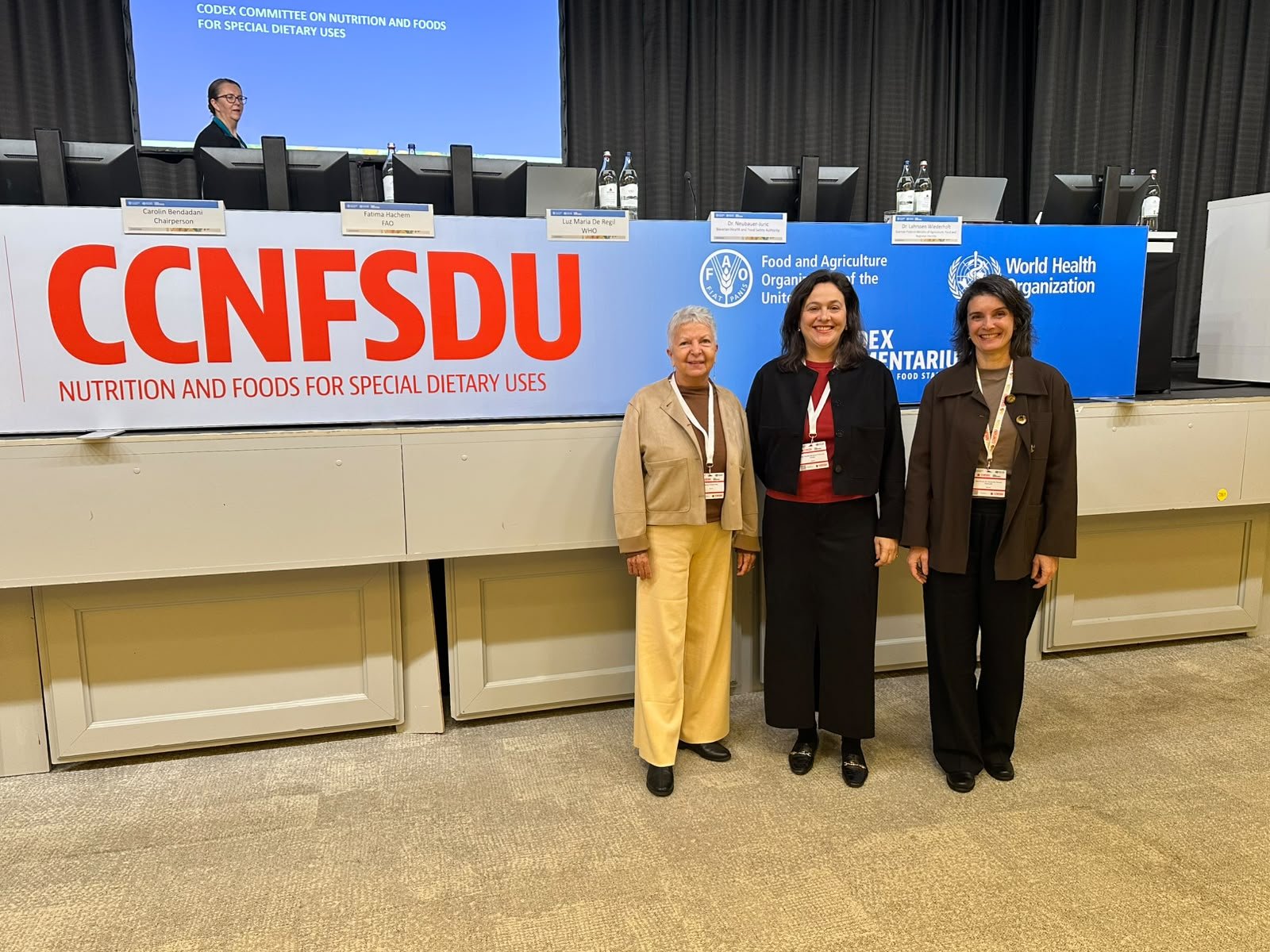
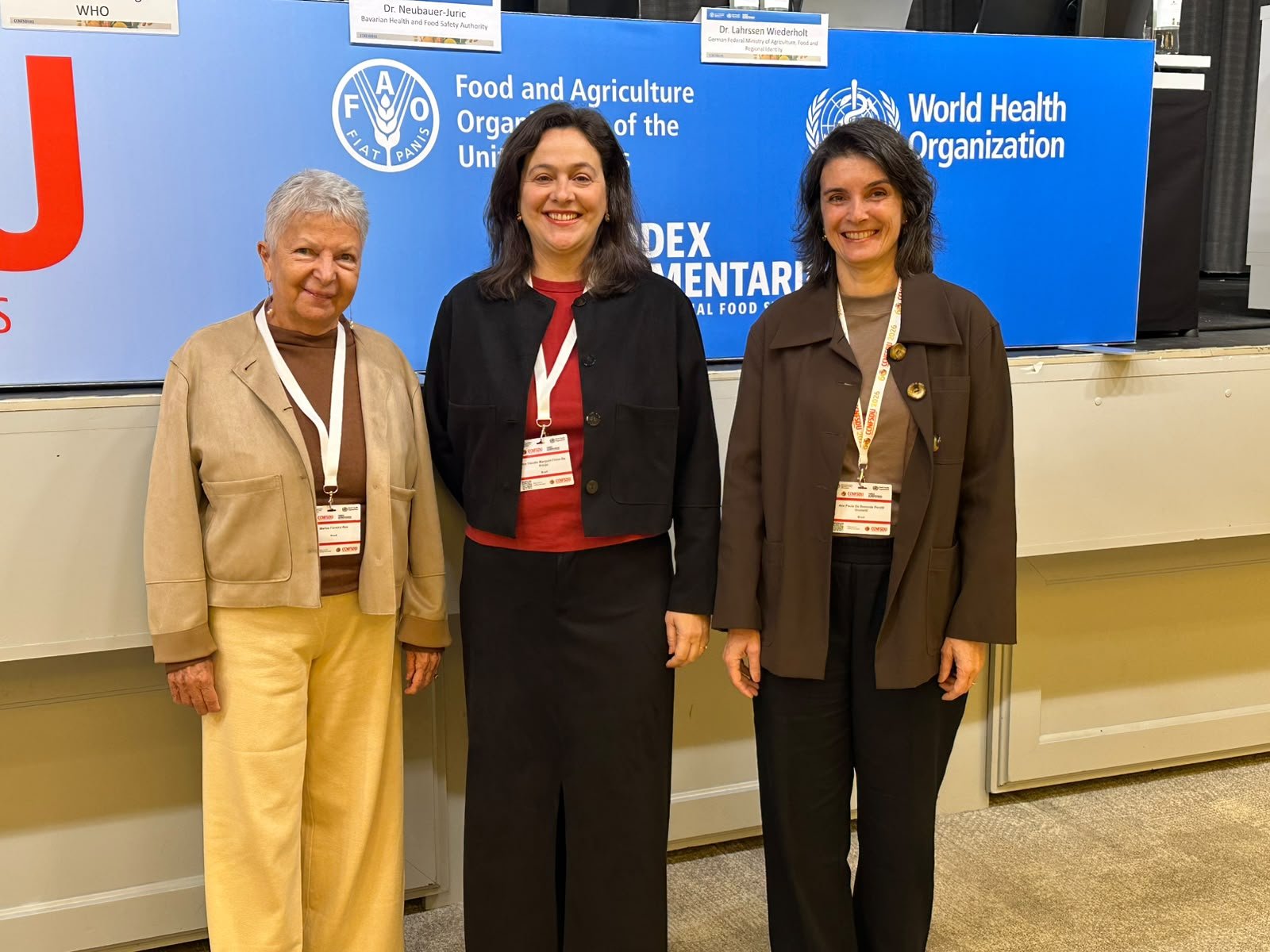
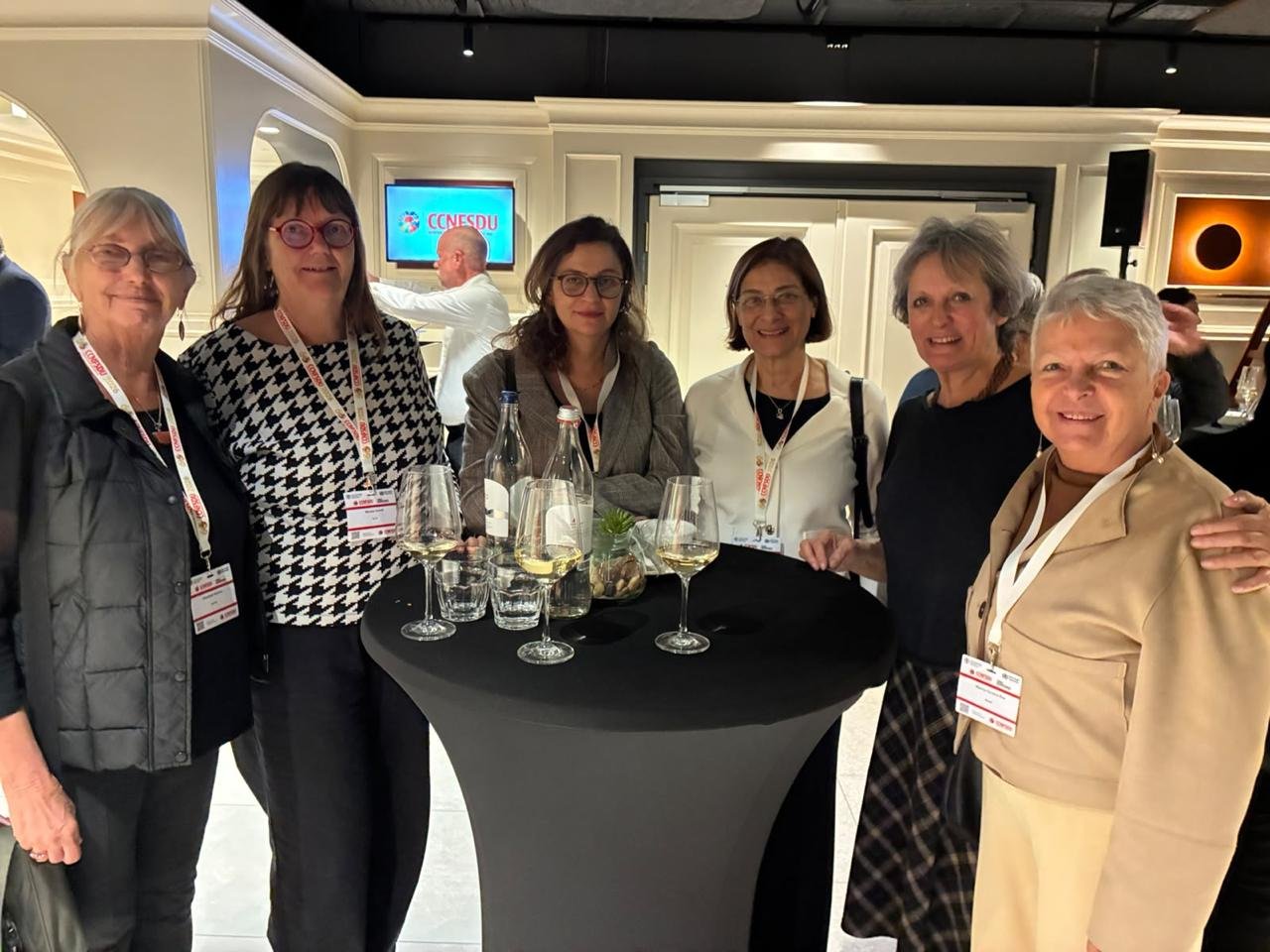
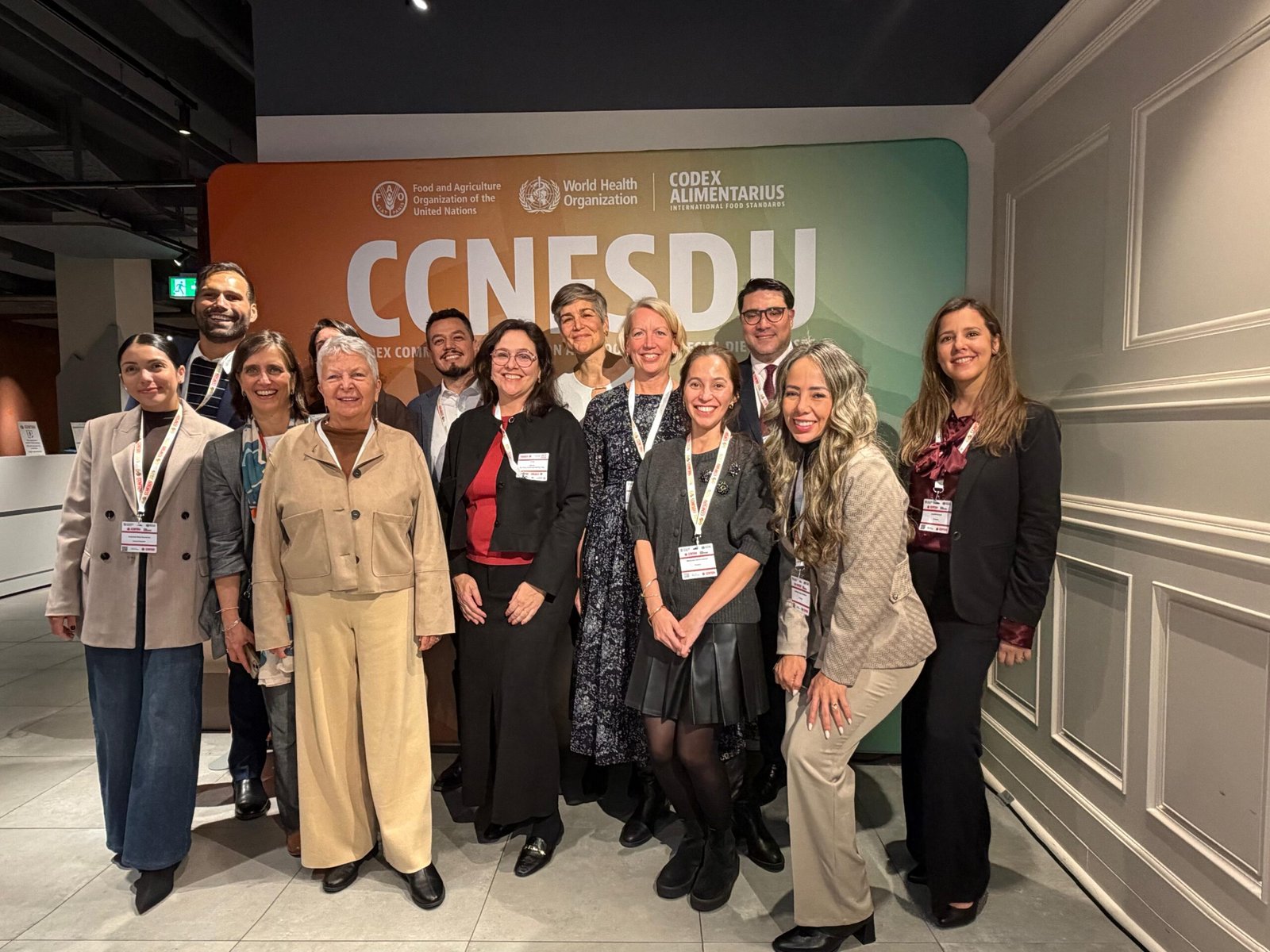
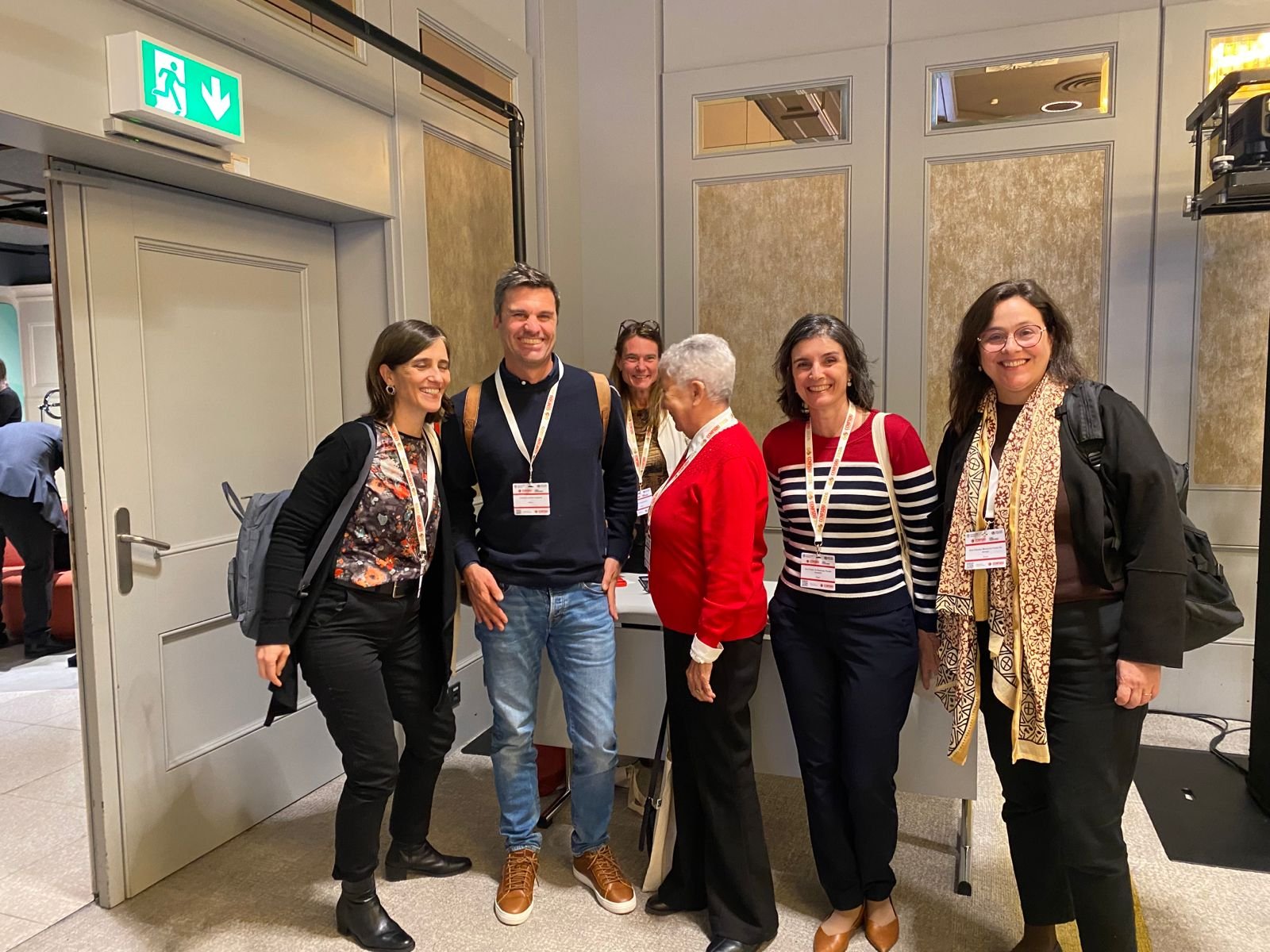
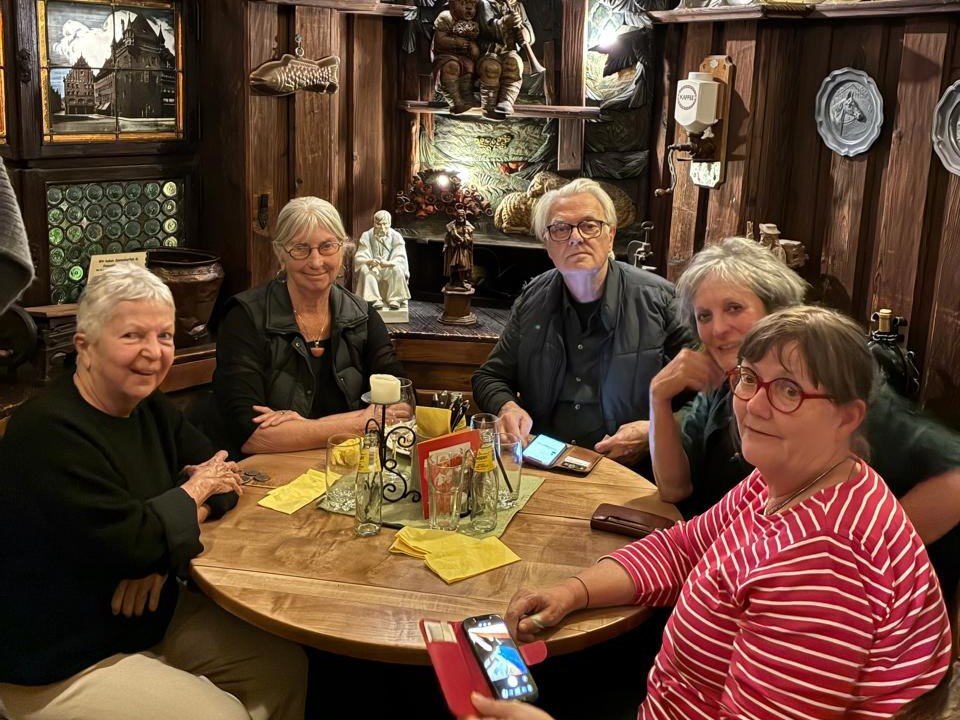
CCNFSDU45 in pictures: IBFAN members
Photos: IBFAN
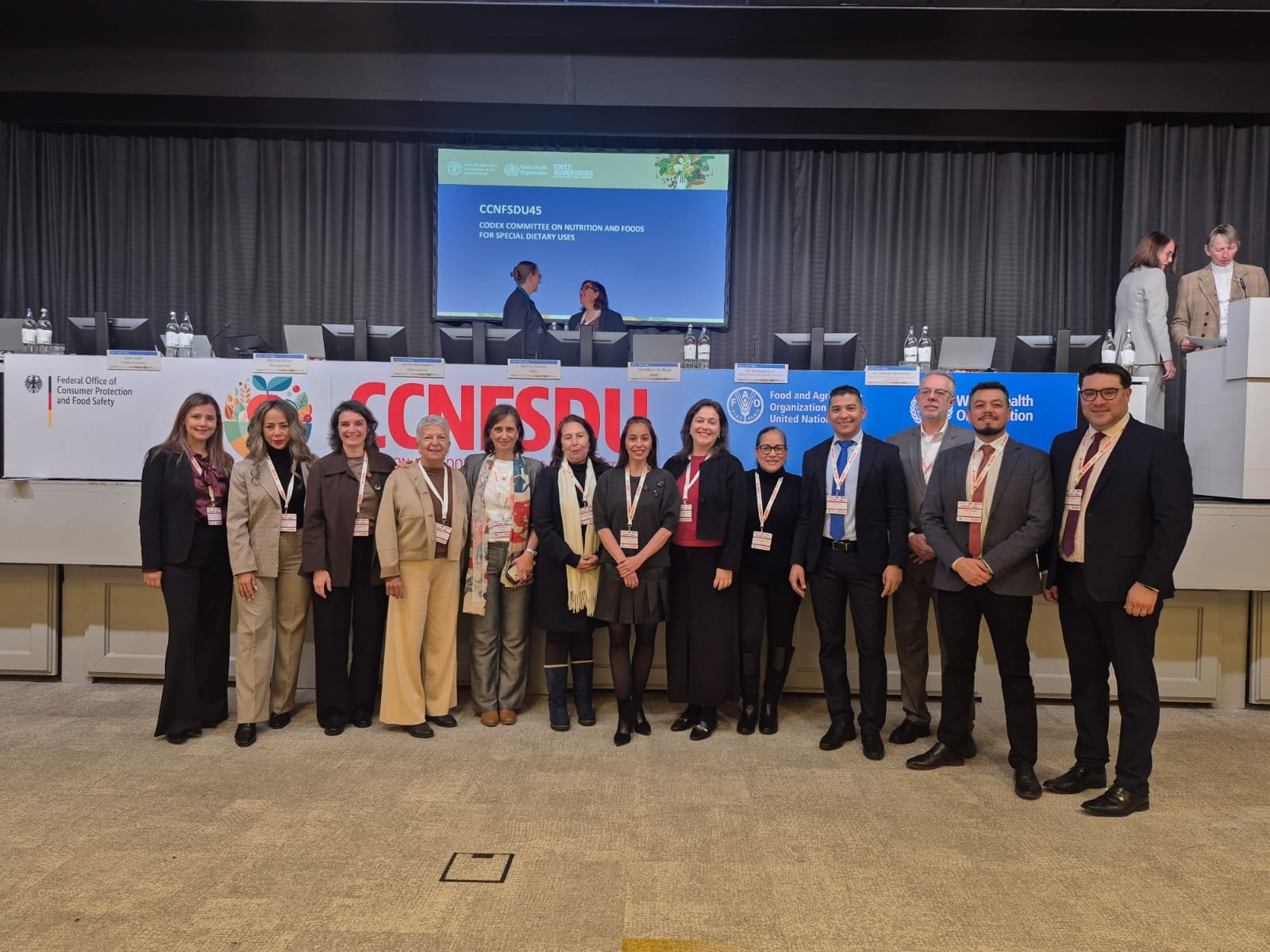
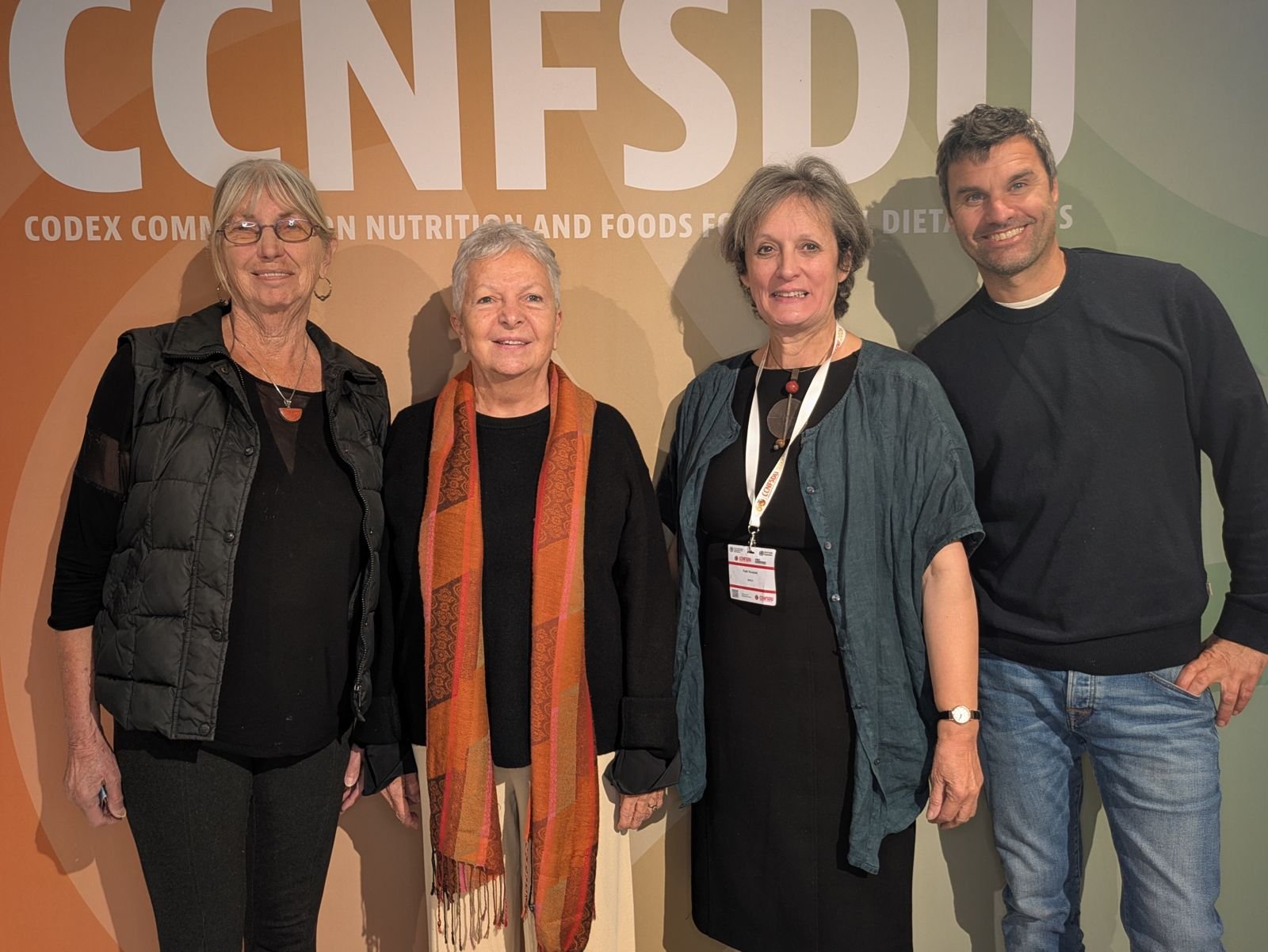
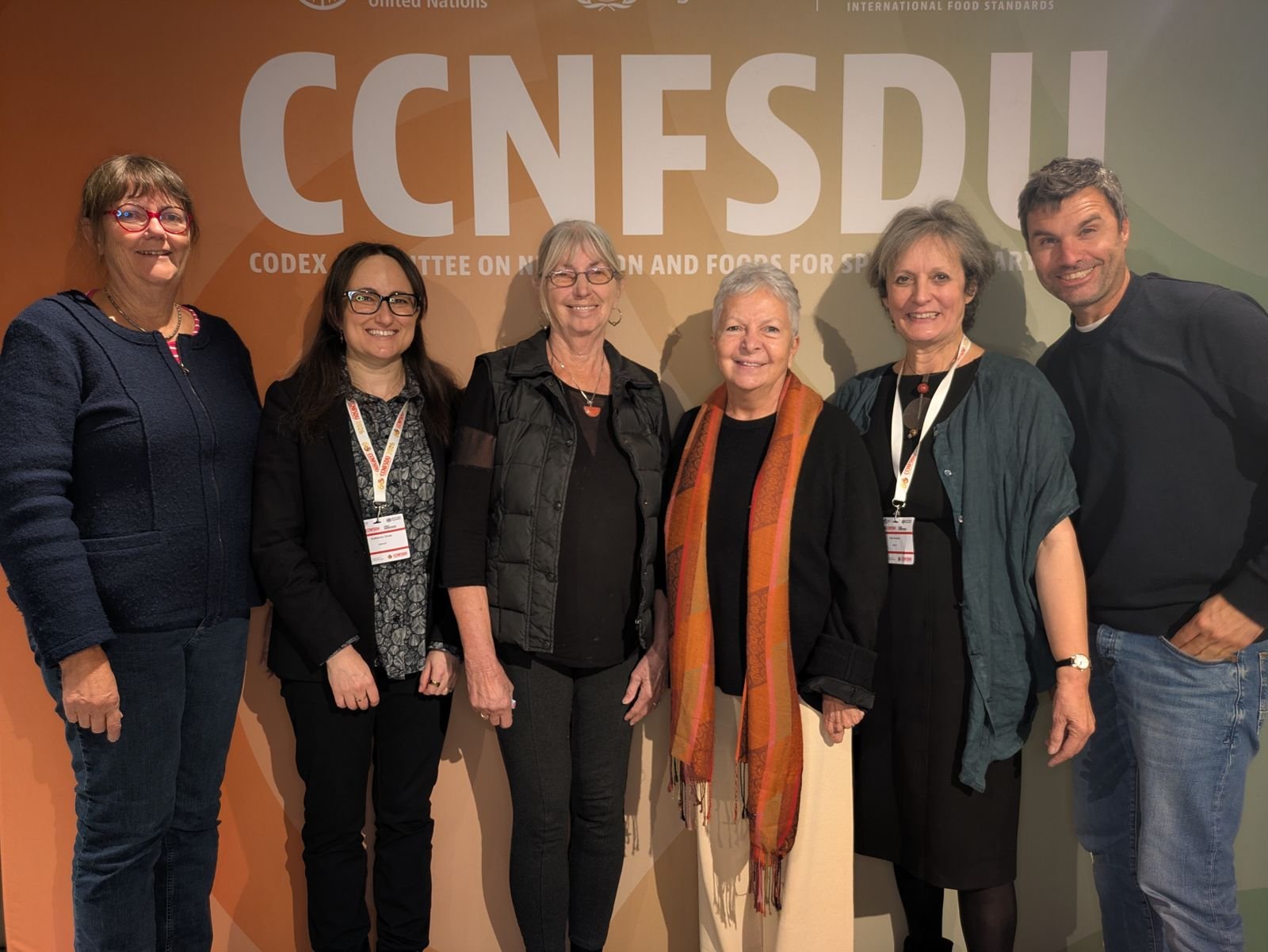
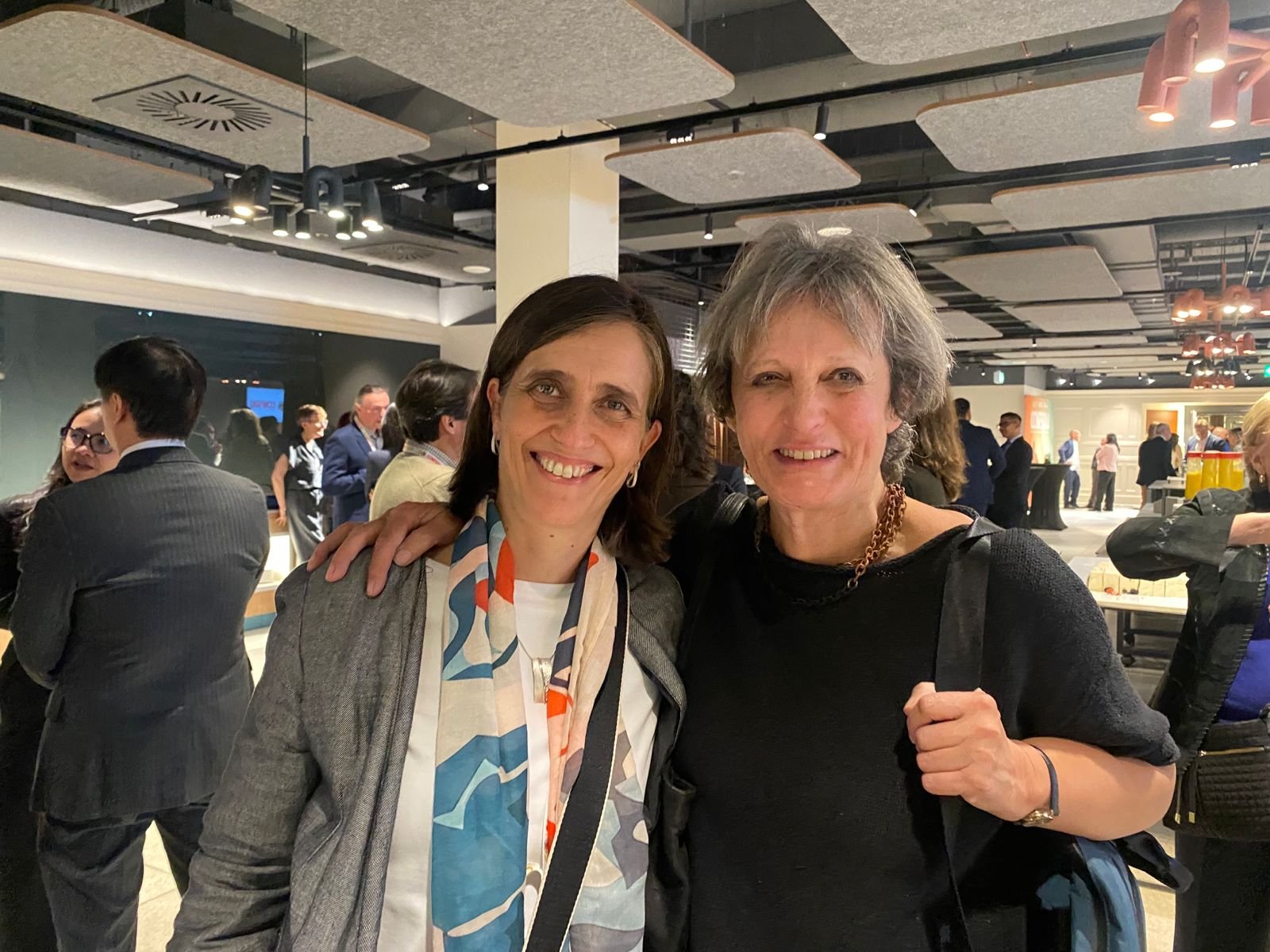
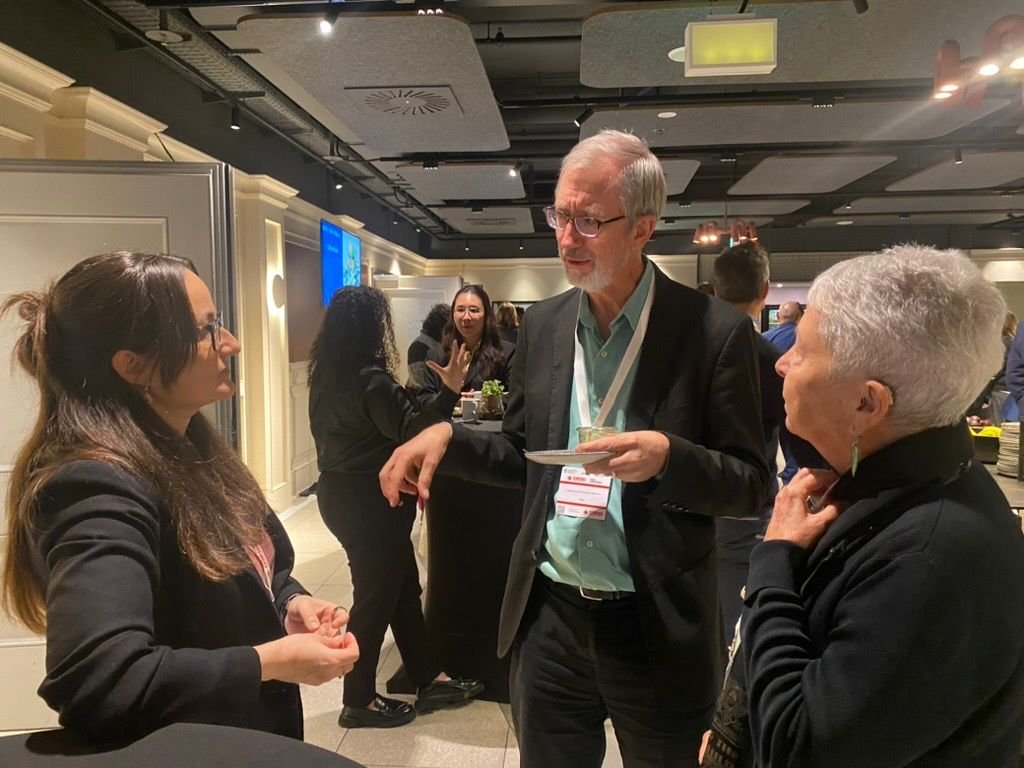
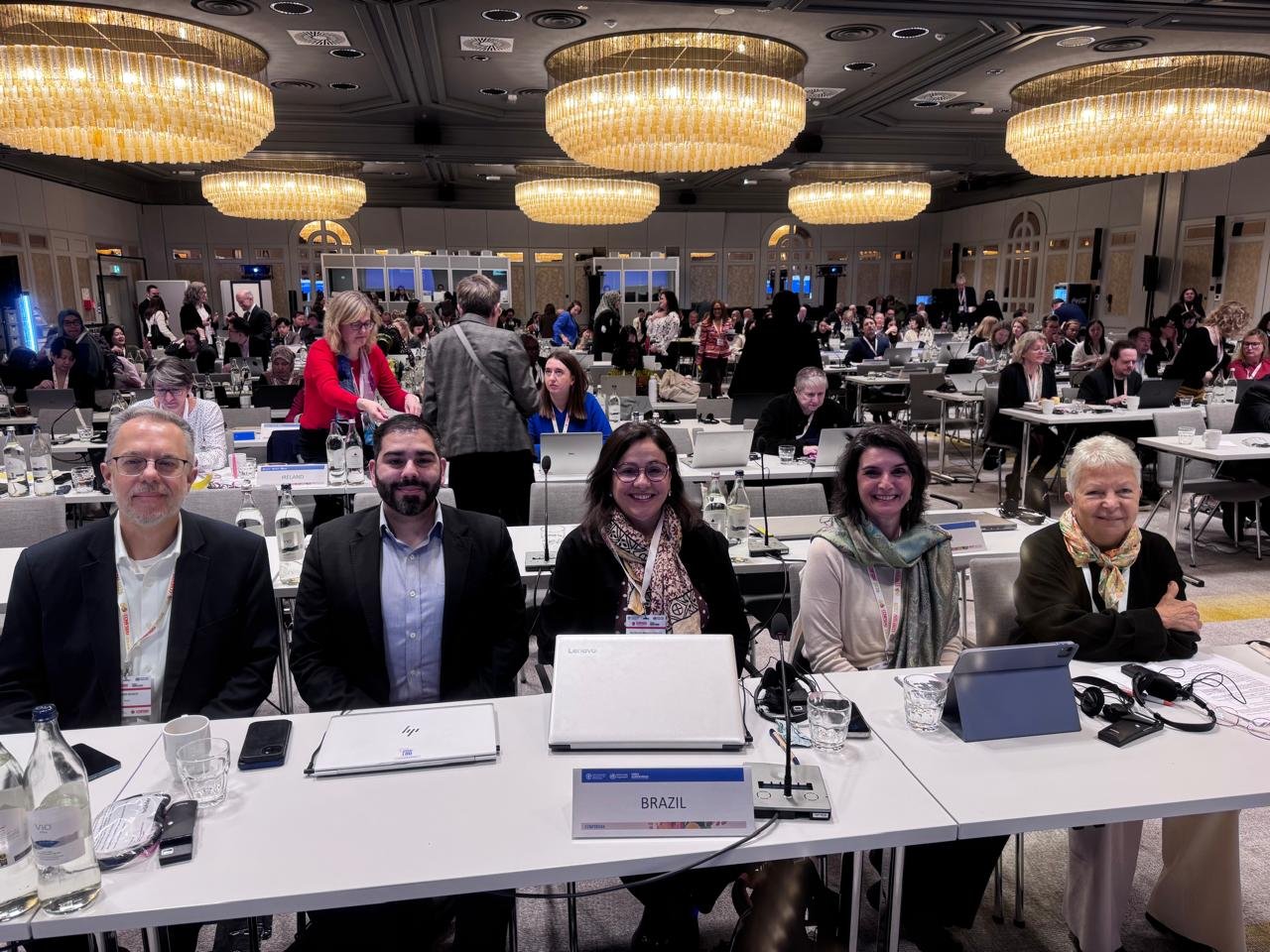
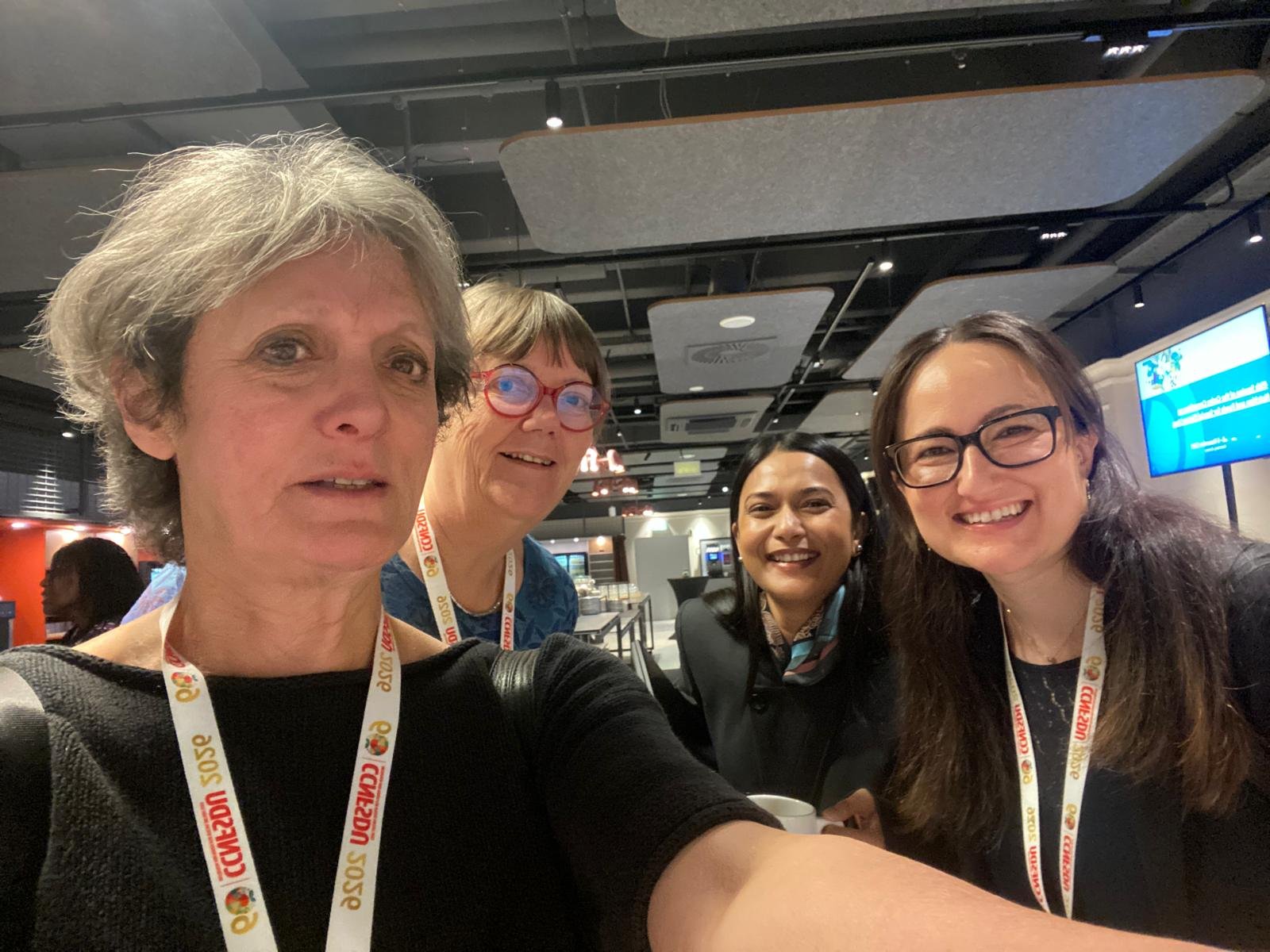

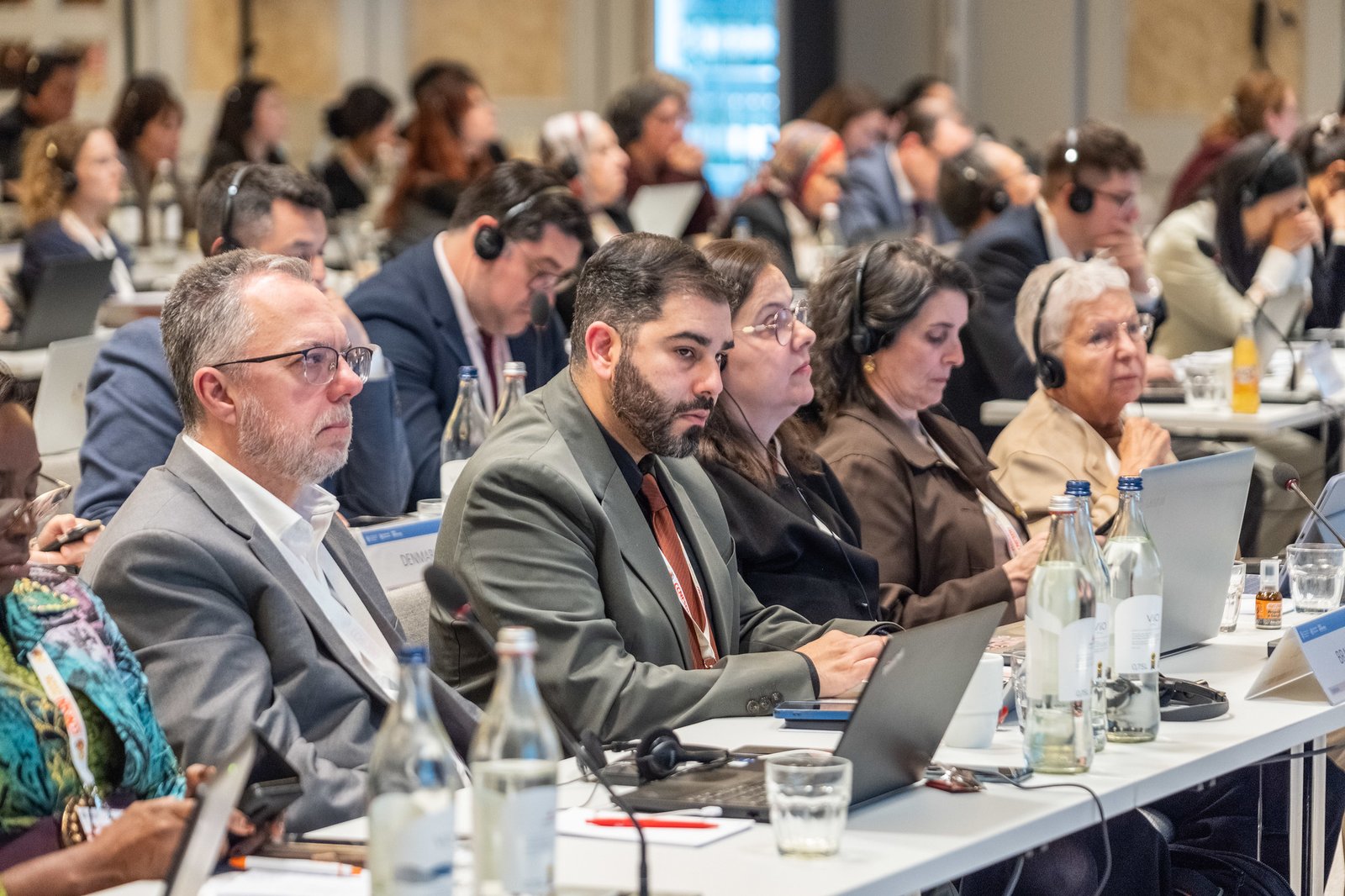
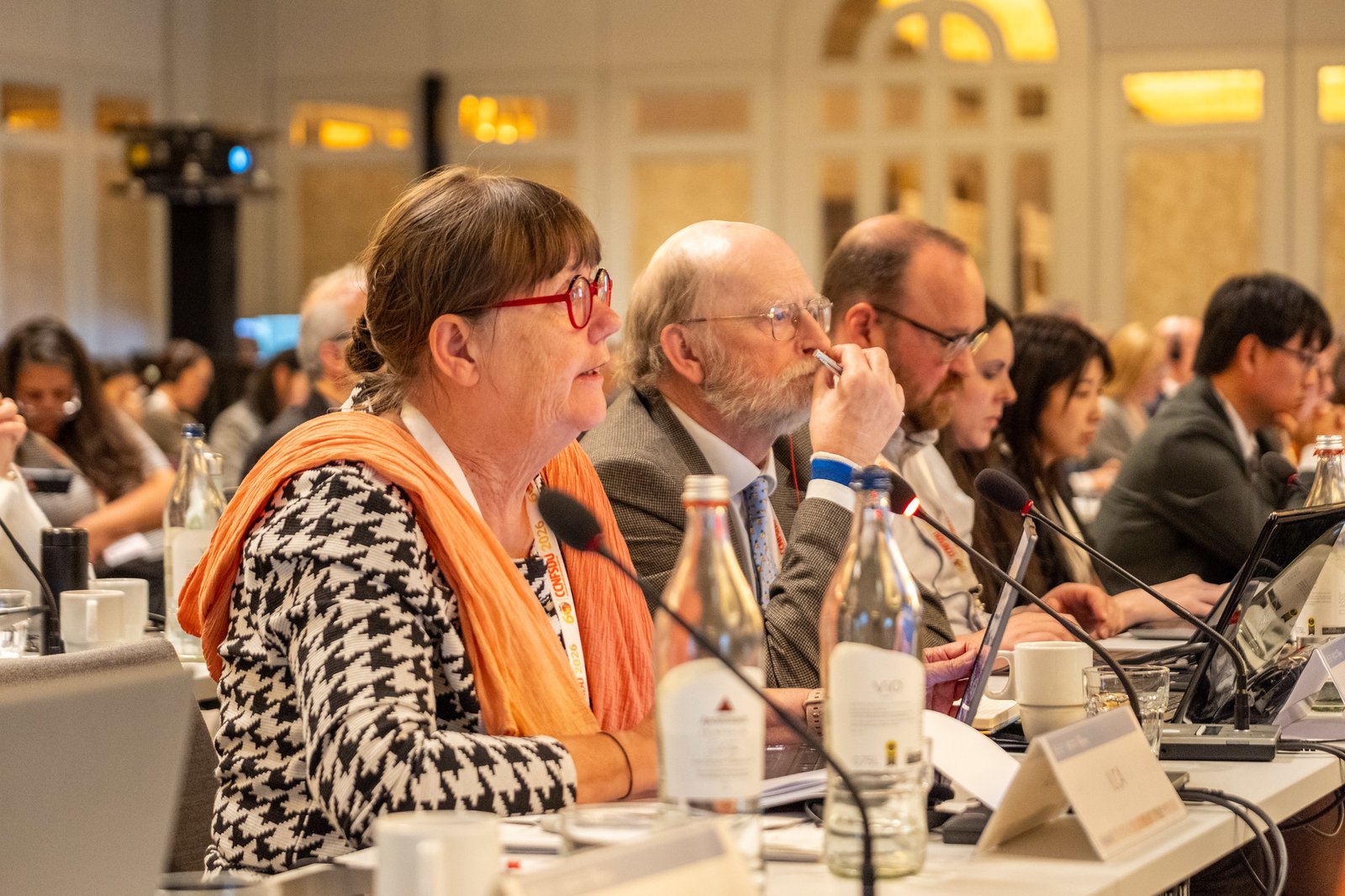
Photos: BVL / Czybik & Schmid Media / Thomas Geiger
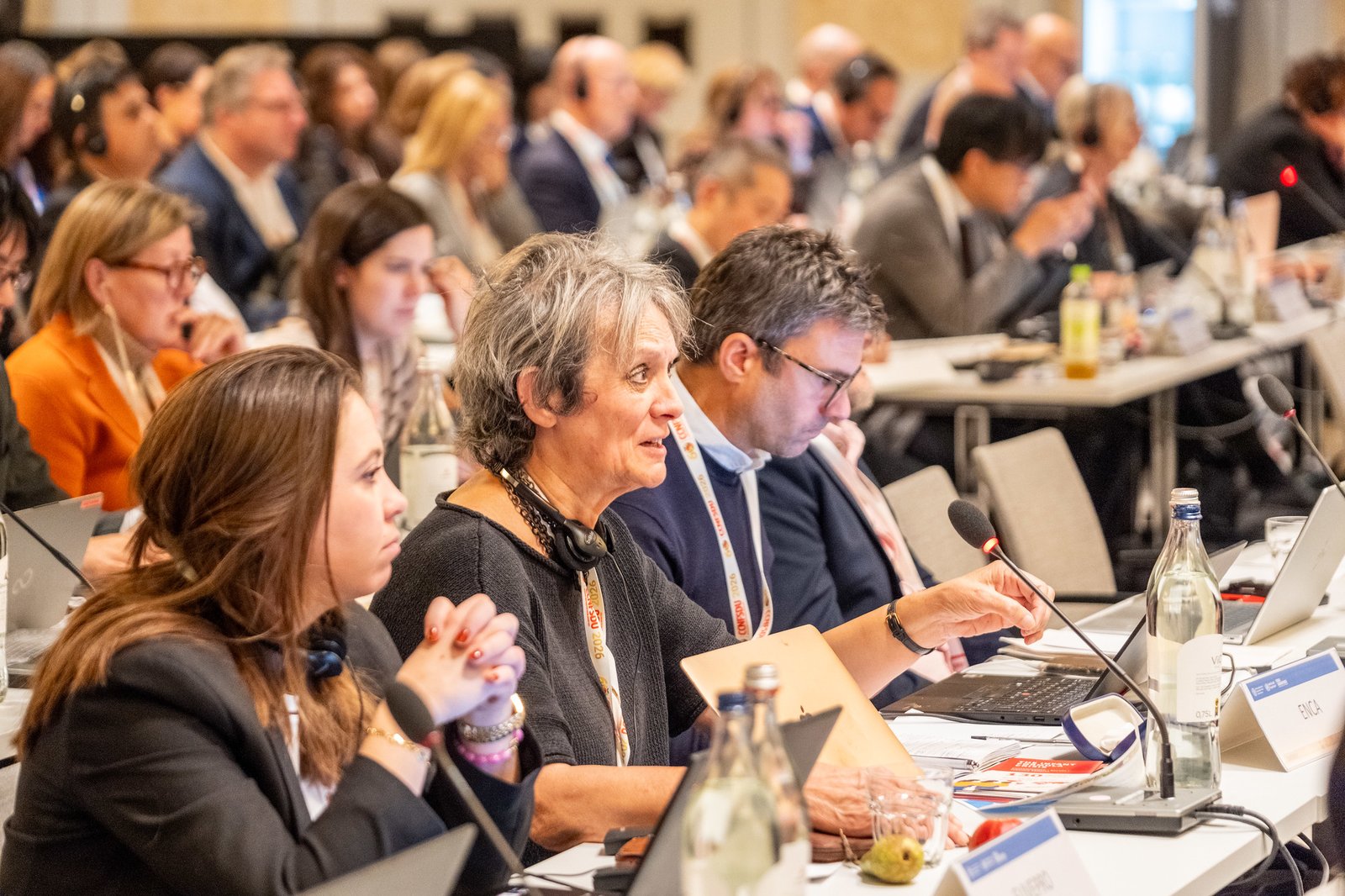
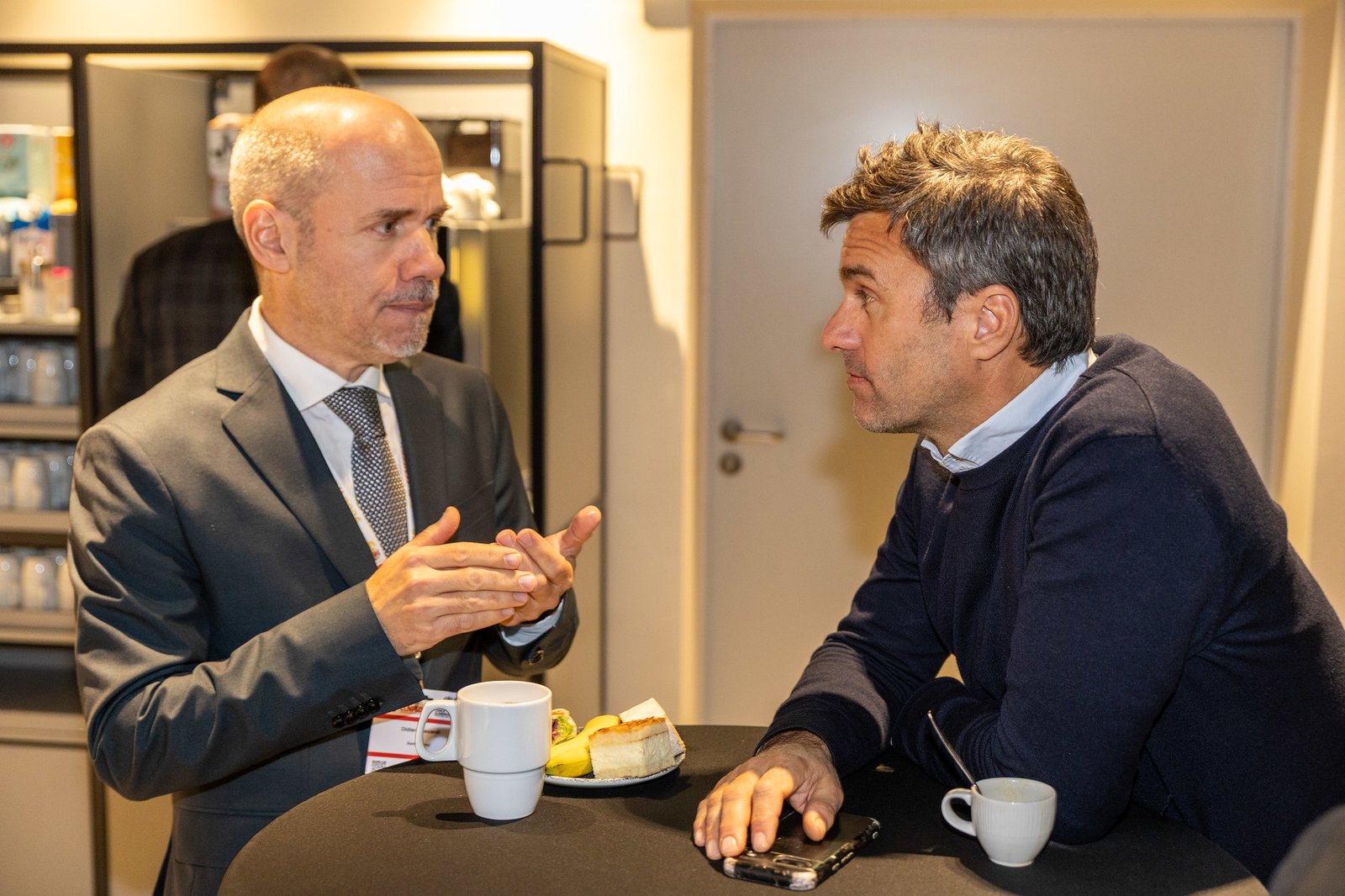
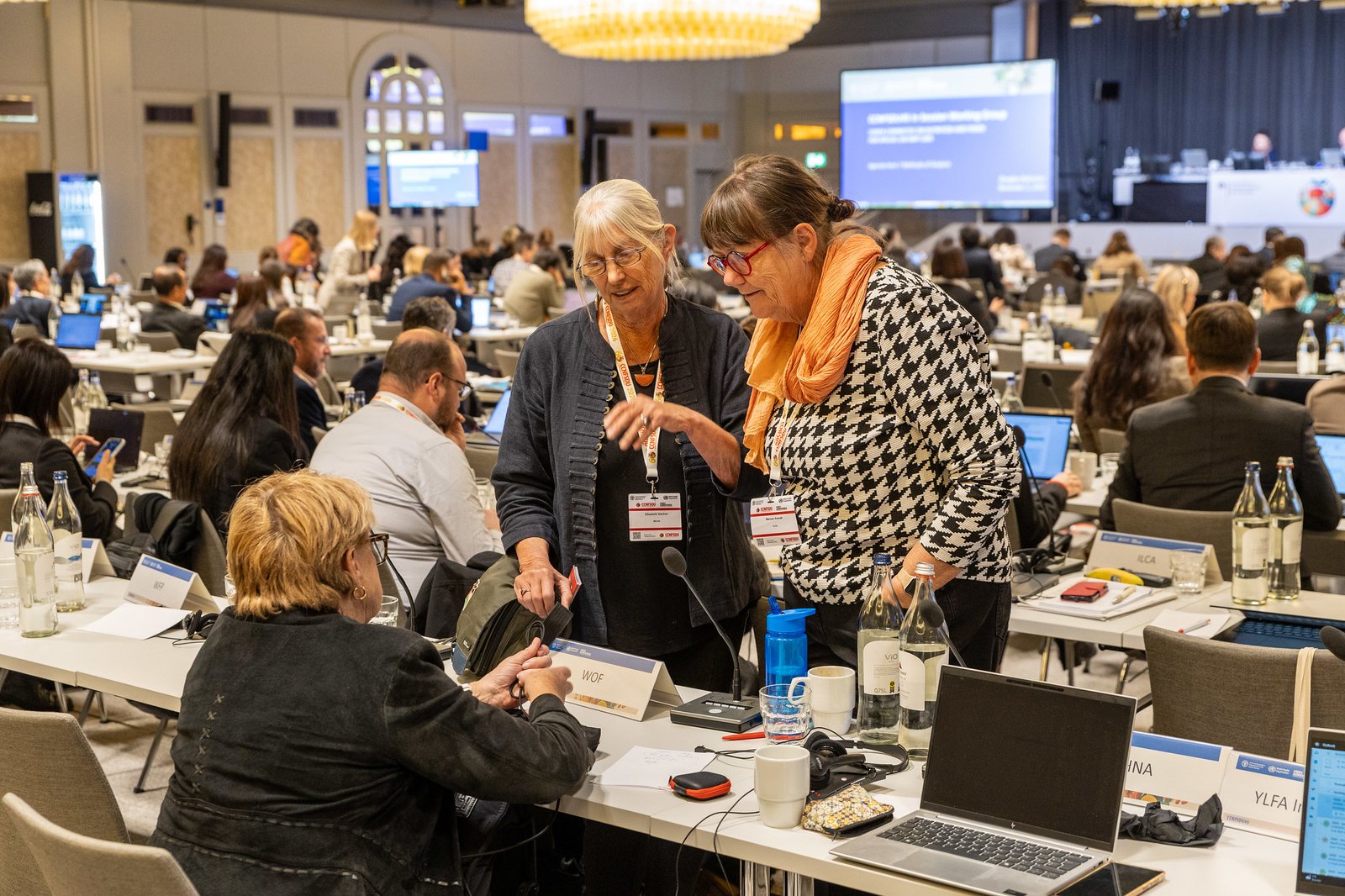

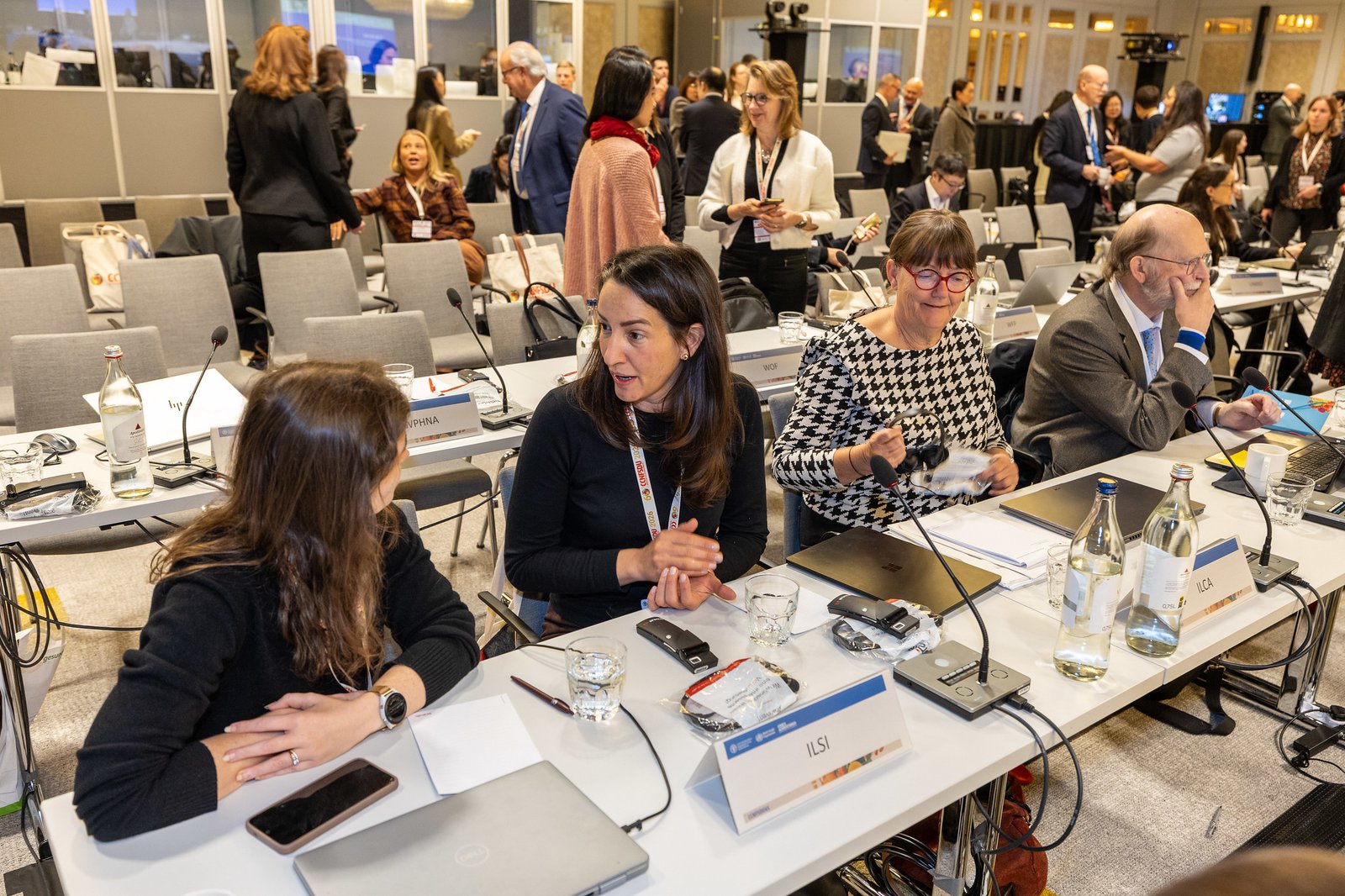
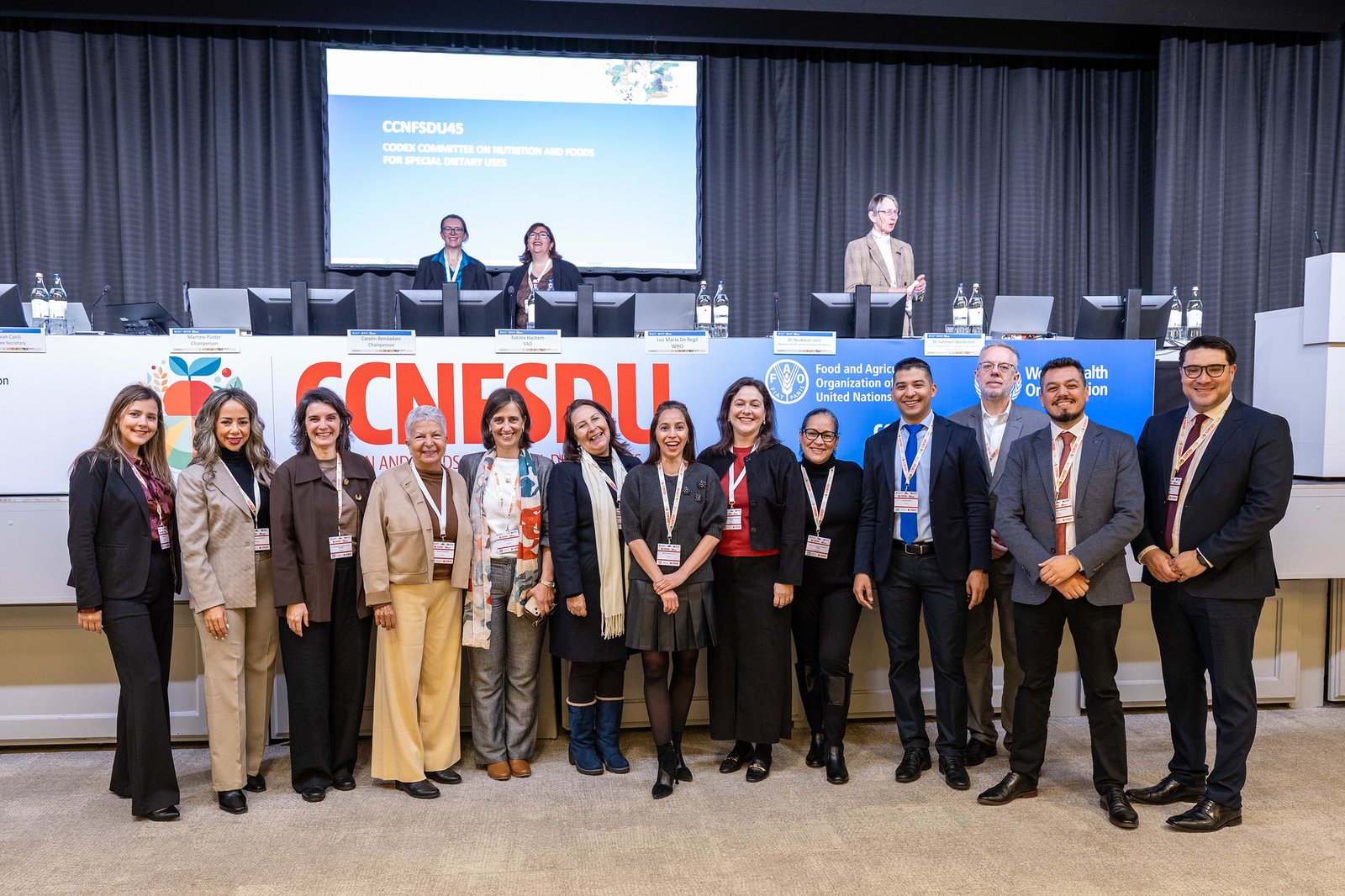
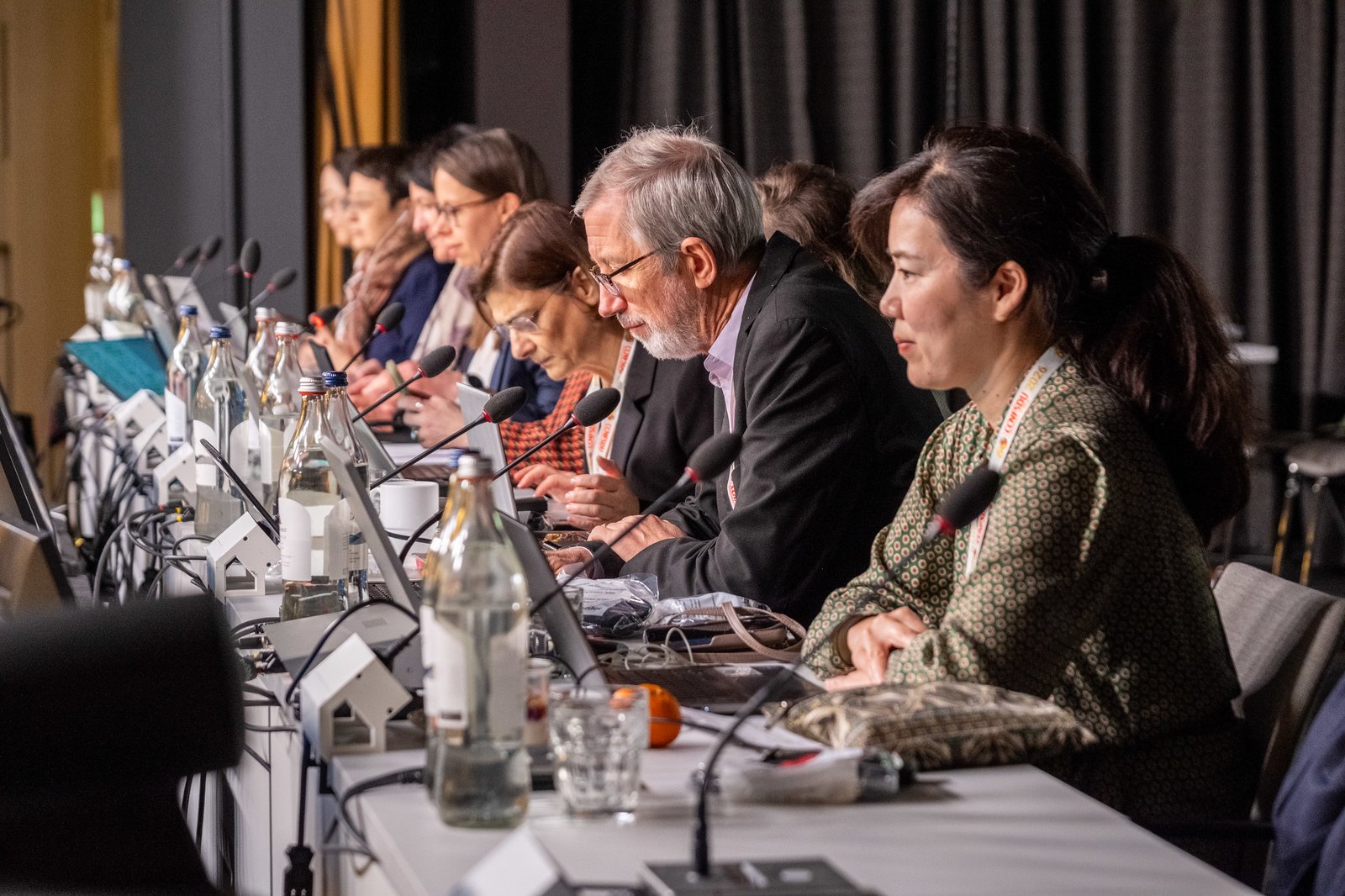

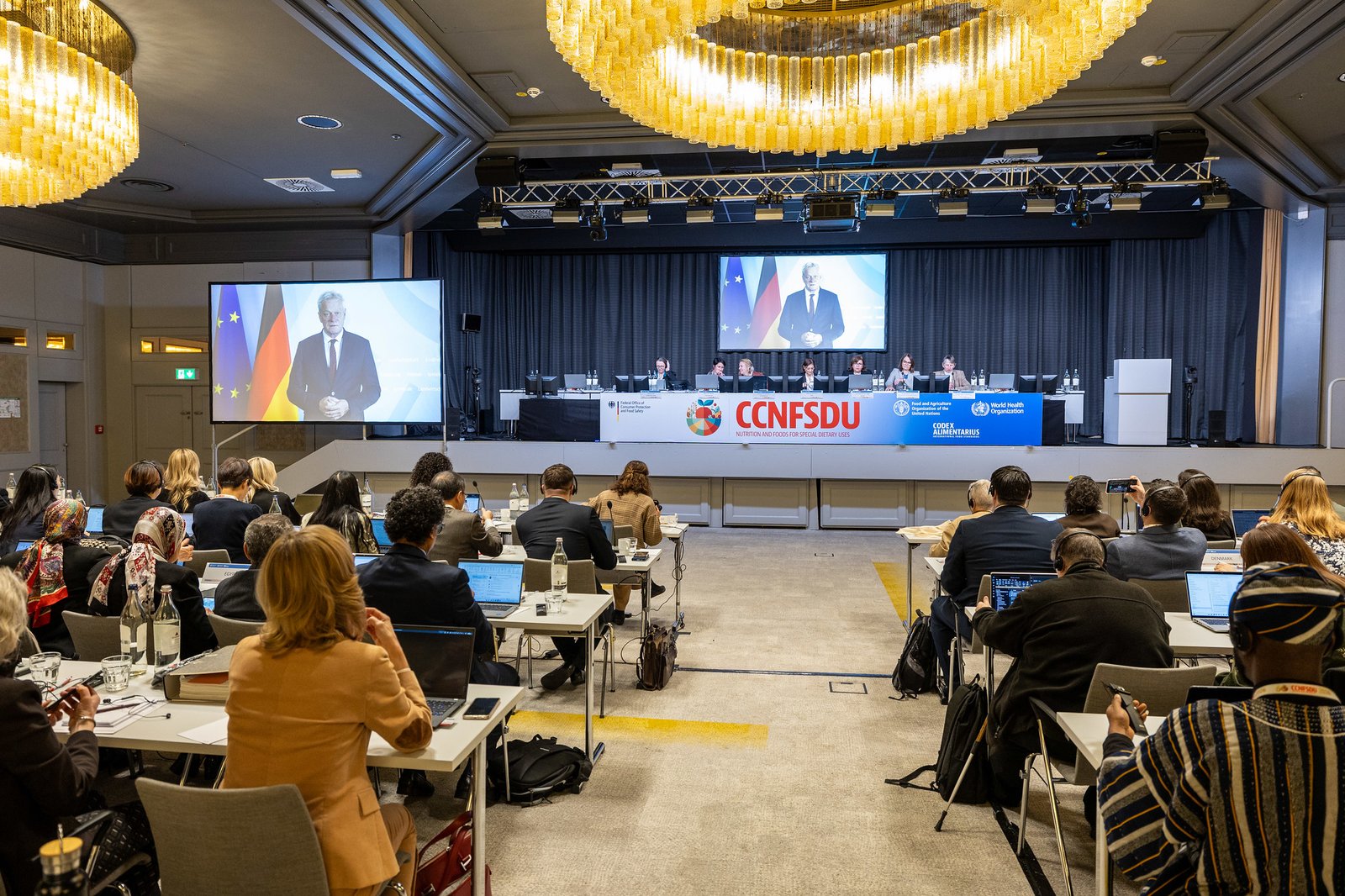
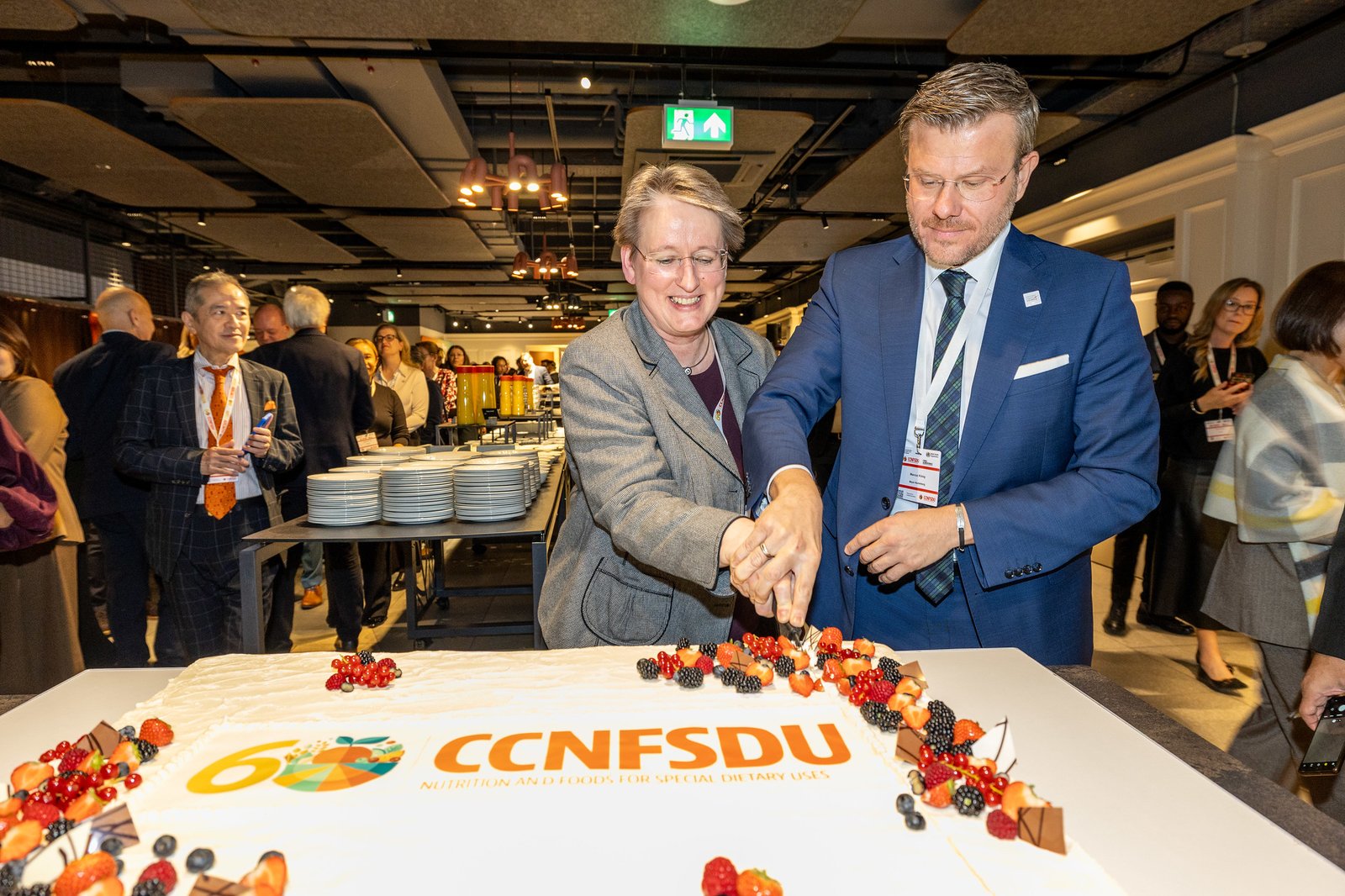
CCNFSDU45

Codex Committee on Nutrition and Foods for Special Dietary Uses
For more information, visit the official website at CCNFSDU45
Source: FAO, accessed on 01.11.2026


CCNFSDU45
Codex Committee on Nutrition and Foods for Special Dietary Uses
For more information, visit the official website at CCNFSDU45
Source: FAO, accessed on 01.11.2026
WORKING GROUPS
The virtual working group (VWG) and physical working groups (PWG) will take place as follows:
VWG (Tuesday 27 October 2026, 16:00-18:30 CET): NRVs-R for persons aged 6-36 months
The VWG will be convened on the zoom platform with registration and programme details available here.
PWGs (Sunday 1 November 2026):
1. 10:00-13:00 CET: Standard for foods for older infants and young children
2. 14:30-18:00 CET: Proposals for New Work/Emerging issues
